
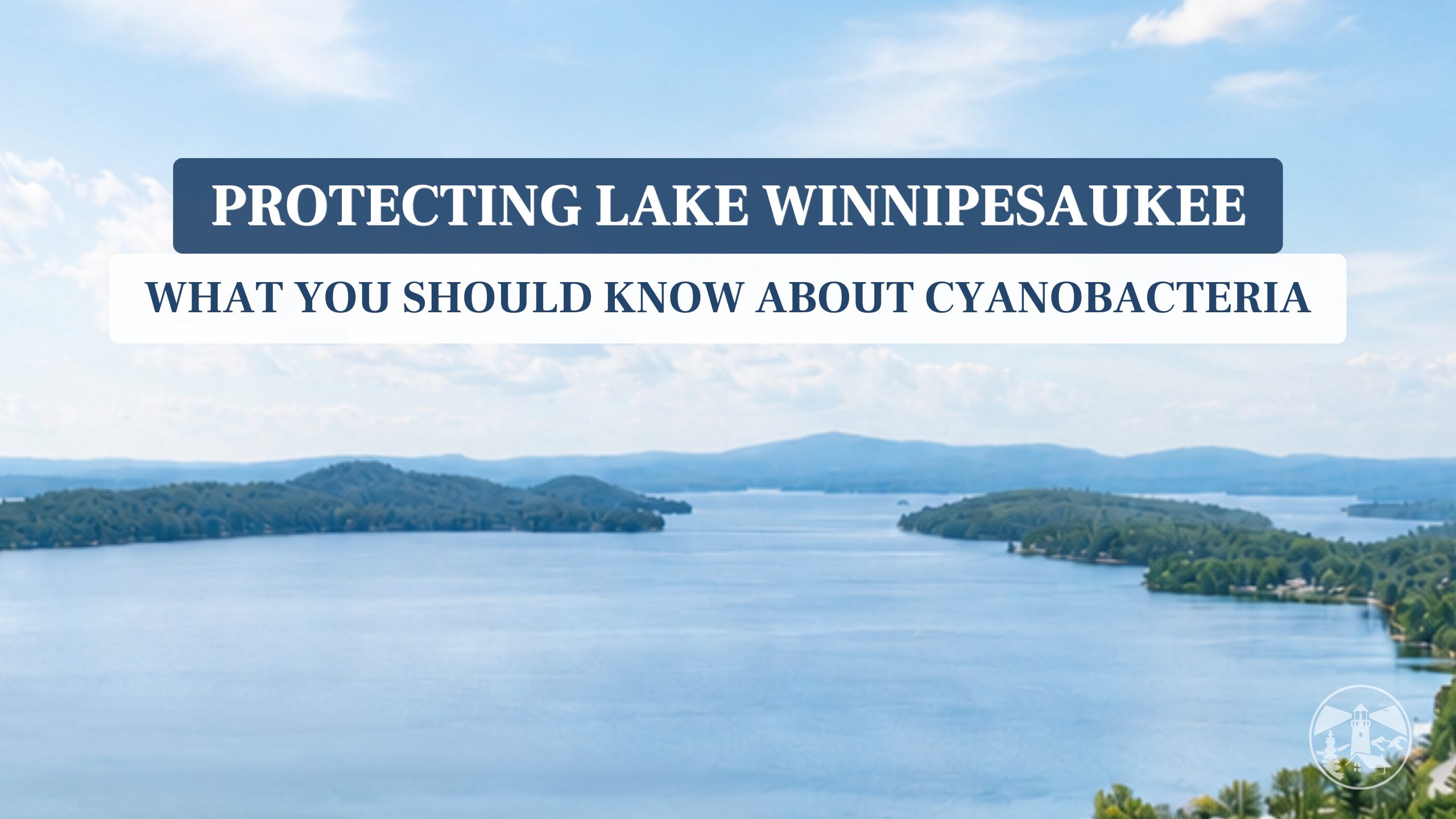
Lake Winnipesaukee is more than a beautiful backdrop. For many homeowners, families, business owners, and visitors, it is the reason they love the Lakes Region of New Hampshire. It shapes the way people spend their summers, gather with family, enjoy their properties, and build memories year after year.
Because of that, protecting the health of the lake matters to all of us.
In recent years, cyanobacteria has become a growing topic of conversation throughout New Hampshire. These naturally occurring organisms can rapidly multiply under certain conditions, creating harmful algal blooms, also known as HABs. When blooms appear, they can impact swimming, boating, pets, wildlife, local businesses, and the overall enjoyment of the lake.
For homeowners in the Lakes Region, this is not just an environmental issue. It is a quality-of-life issue, a community issue, and a long-term property value issue. A healthy Lake Winnipesaukee helps preserve what makes this region such a desirable place to live, visit, and invest in.
At Lighthouse Contracting Group, we have the privilege of working in homes throughout the Lakes Region, many of which are directly connected to the lake lifestyle. As a partner of the Lake Winnipesaukee Alliance, we believe education and awareness are important parts of protecting the place so many of us care about.
What Is Cyanobacteria?
Cyanobacteria are microscopic organisms that live naturally in freshwater environments, including lakes, ponds, and rivers. They are sometimes called blue-green algae, although they are technically bacteria rather than algae.
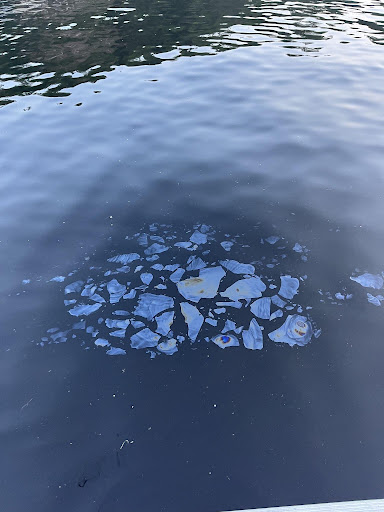
In small amounts, cyanobacteria are a normal part of aquatic ecosystems. The concern begins when conditions allow them to multiply quickly and form a bloom. These blooms may appear as green clouds in the water, surface scum, streaks, clumps, or paint-like discoloration. In some cases, the water may look cloudy, murky, or unusually bright green. Blooms can also shift quickly depending on wind, weather, and water movement, which means one area may look clear while another nearby area may show signs of concern.
Not every bloom produces toxins, but some cyanobacteria can release harmful toxins that may affect people, pets, livestock, and wildlife. Because it is not possible to know whether a bloom is toxic just by looking at it, the safest approach is to avoid contact with suspicious water and stay informed through current advisories.
Why Harmful Algal Blooms Happen
Harmful algal blooms are often connected to a combination of warm temperatures, sunlight, calm water, and excess nutrients. Nutrients such as phosphorus and nitrogen can enter the lake through stormwater runoff, lawn fertilizer, failing septic systems, erosion, pet waste, and disturbed soil.
When too many nutrients reach the water, they can act like fuel for cyanobacteria growth. This is especially important during the summer months, when warmer water and increased lake activity can create conditions where blooms may develop quickly.
In the Lakes Region, this matters because so many properties are close to the water or connected to the broader watershed. Even homes that are not directly on the shoreline can play a role.
Rainwater moves across driveways, lawns, roads, and landscaped areas, carrying materials with it along the way. What happens on land eventually has the potential to affect the lake.
That is why protecting Lake Winnipesaukee requires more than watching the water. It requires thoughtful choices throughout the entire watershed.
How Cyanobacteria Can Affect People and Pets
Cyanobacteria exposure can cause a range of health concerns. For people, contact with contaminated water may lead to skin irritation, stomach issues, nausea, vomiting, diarrhea, sore throat, headache, fever, muscle pain, or other symptoms. More serious health impacts are possible depending on the type of toxin, the amount of exposure, and the individual.
Children may be at greater risk because they are more likely to swallow water while swimming or playing near the shore. Pets, especially dogs, are also at significant risk. Dogs may drink contaminated water, lick their fur after swimming, or ingest material along the shoreline. In some cases, exposure can become dangerous very quickly.
If you see water that looks suspicious, the best rule is simple: when in doubt, stay out.
Avoid swimming, wading, kayaking, paddleboarding, or letting pets near water that appears discolored, scummy, or unusual. Do not let dogs drink from affected areas, and rinse them with clean water if they have been near questionable water. If you or your pet experience symptoms after possible exposure, contact a medical professional or veterinarian.
How to Stay Safe During Cyanobacteria Season
August is a popular month on Lake Winnipesaukee. Families are swimming, boating, hosting guests, and making the most of the final stretch of summer. It is also a smart time to be aware of water quality.
Before heading into the water, take a moment to visually check the area. Look for green, blue-green, or yellowish discoloration, cloudy water, streaks, floating mats, surface scum, or anything that looks like spilled paint. Conditions can change throughout the day, so it is worth checking more than once, especially if the wind has shifted or the water has become calm and warm.
Homeowners and visitors should also pay attention to posted beach signs and current advisories from the New Hampshire Department of Environmental Services. The state maintains resources that help the public track active cyanobacteria warnings and other swimming-related advisories.
If a warning is issued, avoid contact with the affected water. Keep children and pets away from the shoreline in that area, and do not assume that boiling or filtering lake water will make it safe for drinking. Cyanobacteria concerns should always be taken seriously.
It is also important to remember that the absence of an advisory does not always mean the water is completely risk-free. Blooms can form and move quickly. Personal observation still matters.
Why Lake Winnipesaukee’s Health Matters to Homeowners
Lake Winnipesaukee is one of New Hampshire’s most treasured natural resources. It supports recreation, tourism, local businesses, wildlife, and the lifestyle that draws so many people to the Lakes Region.
For homeowners, the lake is also closely connected to property value. People are drawn to this region because of clean water, scenic views, boating, swimming, fishing, and the ability to enjoy life at the lake. If the lake becomes less usable because of water quality concerns, it can affect how people experience the area and how desirable lake-area properties feel over time.
A beautiful home near the lake is at its best when the lake itself is healthy, usable, and inviting.
That is why water quality protection is not separate from homeownership in the Lakes Region. It is part of responsible stewardship. Just as homeowners invest in maintaining their homes, properties, shorelines, and outdoor spaces, the community must also invest in protecting the water that gives the region so much of its value.
What Homeowners Can Do to Help Protect the Lake
The good news is that small, consistent choices can make a meaningful difference. Protecting Lake Winnipesaukee starts with understanding how everyday decisions on land affect the water.
One of the most important steps homeowners can take is reducing runoff. When rainwater moves quickly across hard surfaces or compacted lawns, it can carry nutrients, sediment, and pollutants into nearby waterways. Creating areas where water can slow down, soak in, and filter naturally helps reduce that impact.
Shoreline buffers are another valuable tool. Native plants, shrubs, and trees near the water’s edge help stabilize soil, absorb nutrients, reduce erosion, and provide habitat. A manicured lawn that runs directly to the water may look clean, but it can allow runoff to reach the lake more easily.
Homeowners can also be mindful about fertilizer use. Excess fertilizer can contribute nutrients that encourage bloom growth. Choosing lake-friendly landscaping practices, avoiding fertilizer before heavy rain, and limiting fertilizer near shorelines are all responsible steps.
Septic system care is equally important. Regular inspections and proper maintenance help prevent nutrient-rich wastewater from reaching groundwater and nearby surface water. For lake-area homes, especially older properties or seasonal homes, this should be part of long-term property planning.
Other helpful practices include picking up pet waste, keeping leaves and grass clippings out of storm drains and waterways, preventing soil erosion during construction or landscaping projects, and using permeable surfaces where appropriate.
None of these steps require homeowners to give up the beauty or functionality of their property. In fact, thoughtful planning often improves both the property and the environment around it.
The Role of Thoughtful Planning Around Lake Homes
Many homes in the Lakes Region are designed around the outdoors. Decks, patios, porches, walkways, windows, and living spaces are often planned to help homeowners enjoy lake views and seasonal gatherings. When remodeling or improving a lake-area property, it is worth thinking about how those updates interact with the surrounding environment.
Good planning considers more than the finished look. It also considers drainage, grading, soil disturbance, materials, access, and long-term maintenance. On properties near the lake, these details matter.
A well-planned project should respect the land, the home, and the natural resources around it. That means thinking carefully about how water moves across the property, how construction activity is managed, and how finished outdoor spaces will function over time.
At Lighthouse Contracting Group, our work is rooted in planning, communication, and craftsmanship. For homeowners in the Lakes Region, those values are especially important. A successful project should support the way you want to live in your home while also respecting the place that makes this region special.
Supporting the Lake Winnipesaukee Alliance
Lighthouse Contracting Group is proud to be a partner of the Lake Winnipesaukee Alliance, a nonprofit organization dedicated to protecting the water quality and natural resources of Lake Winnipesaukee and its watershed now and for the future.
The Lake Winnipesaukee Alliance uses education, science, monitoring, and community engagement to help protect the lake for residents, business owners, visitors, and future generations. Their work is an important reminder that lake protection is a shared responsibility.
The health of Lake Winnipesaukee cannot be protected by one organization, one town, or one group of homeowners alone. It takes a collective effort across the watershed. Builders, homeowners, landscapers, municipalities, nonprofits, and visitors all have a role to play.
By staying informed, supporting science-based lake protection, and making responsible choices at home, we can all help reduce the conditions that contribute to harmful algal blooms.
Protecting the Lake Protects the Lakes Region Lifestyle
Cyanobacteria is a serious topic, but it is also an opportunity to pay closer attention to the place we love.
Lake Winnipesaukee is central to the Lakes Region’s identity. It is where families gather, where summer traditions are built, where businesses thrive, and where homeowners find a sense of peace and connection. Protecting the lake protects more than the water. It protects the lifestyle, memories, and long-term value that make this area so meaningful.
As August brings warm days, busy shorelines, and plenty of time on the water, take a few simple steps to stay safe. Check the water before swimming. Keep pets away from anything suspicious. Follow state advisories. Be mindful of runoff around your property. Support organizations working to protect the lake.
Most importantly, remember that caring for Lake Winnipesaukee is part of caring for the community.
At Lighthouse Contracting Group, we are grateful to build, remodel, and serve in a region defined by its natural beauty. We are proud to support the Lake Winnipesaukee Alliance and encourage homeowners throughout the Lakes Region to learn more, stay aware, and do their part to protect the lake for generations to come.
Considering a remodel or renovation in the Lakes Region of NH?
Lighthouse Contracting Group helps homeowners plan thoughtful, well-crafted spaces that support the way they live. Reach out to start a conversation about your home and the vision you have for it