
A well-designed deck does more than add square footage to your home. It creates a natural connection between indoors and outdoors, gives family and friends a place to gather, and helps you make the most of the views, seasons, and lifestyle that make New Hampshire’s Lakes Region so special.
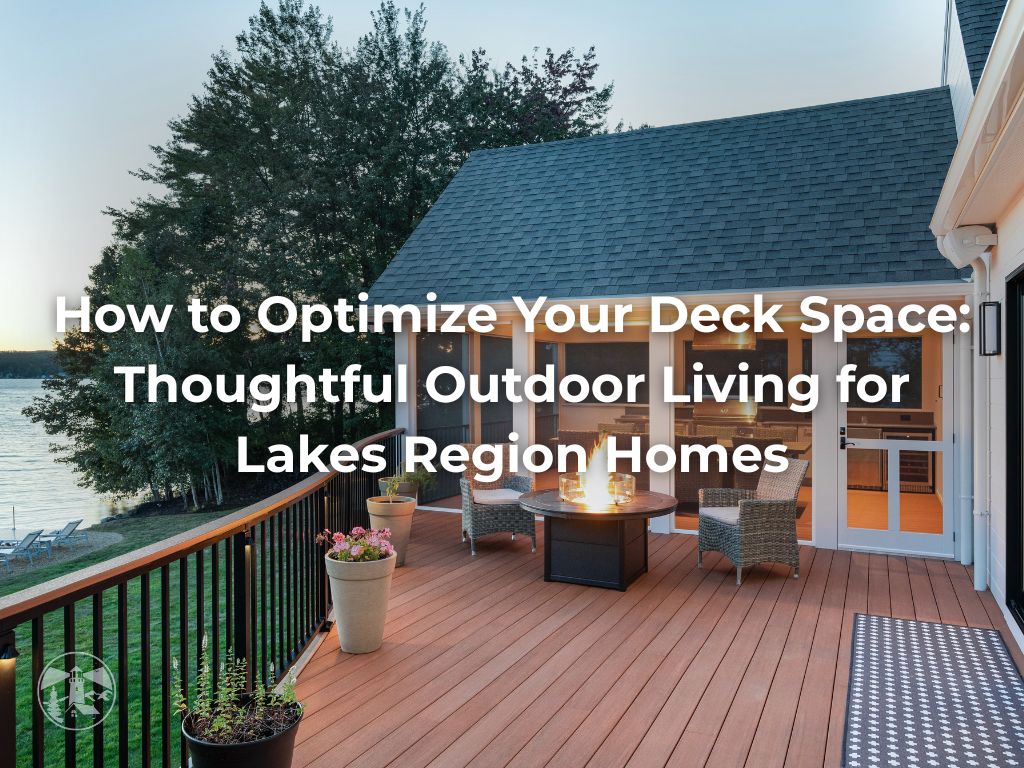
For many homeowners, the deck becomes one of the most-used areas of the home. It’s where morning coffee feels quieter, summer dinners last longer, and lake days naturally flow into evenings spent outside. But creating a deck that looks beautiful, functions well, and holds up over time requires more than choosing a decking material and railing style. It takes thoughtful planning, practical product knowledge, and an understanding of how your home is actually used.
At Lighthouse Contracting Group, we help homeowners throughout the Lakes Region plan and build outdoor living spaces that feel intentional, polished, and connected to the rest of the home. Whether you are considering a new deck, expanding an existing one, or exploring a covered or screened porch, the right approach can make a meaningful difference in how your home looks, feels, and functions.
Why a Deck Is a Valuable Addition to Your Home
A deck can transform the way you experience your property. Especially in lakefront, mountain-view, and wooded settings, outdoor living space gives homeowners a better way to enjoy the natural surroundings that drew them to the area in the first place.

One of the biggest benefits of a deck is connection. A well-planned deck creates an easy transition from the kitchen, dining area, living room, or primary suite to the outdoors. Instead of feeling like a separate structure attached to the house, the deck should feel like an extension of the home’s daily rhythm.
For homeowners who love to host, a deck also adds valuable gathering space. It can create room for outdoor dining, comfortable seating, grilling, conversation areas, or a quiet place to unwind after a day on the lake. When designed properly, a deck can support both everyday use and larger gatherings without feeling cramped or disconnected.
There is also long-term value in creating usable outdoor living space. While every project is different, homeowners often see a thoughtfully designed deck as an investment in comfort, enjoyment, and the full potential of their property. It can improve the way the home lives now while also supporting future resale appeal by creating more functional, attractive space.
Start With How You Want to Use the Space
Before choosing colors, railings, or furniture, start with one simple question: how do you want this space to function?
Some homeowners want a quiet place to enjoy the view. Others want a large entertaining area with space for a grill, dining table, lounge furniture, and easy movement between zones. Some need stairs that connect to a backyard, patio, dock path, or lower-level walkout. Others are hoping to replace an aging deck with something safer, more durable, and better suited to how their family lives today.
The most successful deck projects begin with lifestyle planning. A deck used mainly for outdoor dining will need different dimensions and traffic flow than a deck designed around conversation seating or lake views. A home that hosts extended family throughout the summer may need generous circulation, multiple seating areas, and lighting considerations. A smaller deck may still work beautifully if every square foot is planned with intention.
This is where working with an experienced contractor matters. Lighthouse helps homeowners think through the details early so the finished space feels natural, not forced. The goal is not simply to build a deck. The goal is to create an outdoor living area that supports the way you want to enjoy your home.
Covered and Screened Porches: An Alternative to a Traditional Deck
While a deck is a great option for many homes, it is not the only way to create meaningful outdoor living space. For some homeowners, a covered porch or screened porch may be a better fit.

A covered porch offers protection from direct sun and light rain, which can extend the amount of time you comfortably spend outside. It can make an outdoor seating or dining area feel more finished and usable, especially during the warmer months when shade becomes important.
A screened porch adds another layer of comfort. In New Hampshire, where bugs can quickly interrupt an otherwise beautiful evening, a screened porch can make outdoor living much more enjoyable. It allows you to feel connected to the outside while creating separation from mosquitoes, black flies, and other seasonal critters.
For lake homes and vacation properties, screened porches are especially valuable because they create a protected place to gather without fully closing off the outdoor experience. They can serve as a dining room, lounge area, reading space, or transitional room between the home and the landscape.
Choosing between a deck, covered porch, or screened porch depends on several factors, including budget, architecture, sun exposure, desired use, and the overall feel of the home. In some cases, the best solution may be a combination: an open deck for grilling and views, paired with a screened porch for shaded, bug-protected relaxation.
Deck Layout Considerations That Make a Difference
The layout of your deck should be guided by both the home’s architecture and the way people will move through the space.
Access points are one of the first considerations. Where does the deck connect to the home? Is it off the kitchen for easy outdoor dining? Does it connect to a living room or lower level? Does it need stairs to the yard, driveway, dock, or patio? These decisions affect not only convenience but also the overall flow of the property.
Scale is another important factor. A deck should feel proportionate to the home. Too small, and it may not function the way you hoped. Too large, and it can overwhelm the architecture or create unnecessary cost. Thoughtful planning helps find the right balance between usable space, visual appeal, and long-term value.
You will also want to think about zones. Even a simple deck can benefit from defined areas for cooking, dining, and seating. This does not always require walls or built-in dividers. Sometimes it is achieved through layout, furniture placement, lighting, or a change in elevation.
Views should also guide the design. In the Lakes Region, many homes are oriented around water, mountains, or wooded privacy. Railing style, stair placement, and furniture layout can all affect how open or obstructed those views feel. A deck should enhance the setting, not compete with it.
Railing Options: Safety, Style, and Sightlines
Railings are one of the most visible elements of a deck, and they play an important role in both safety and design. The right railing system should meet code requirements, complement the home’s style, and support the overall vision for the space.

For many homeowners, aluminum railing systems are a strong option because they offer a clean look, long-term durability, and relatively low maintenance. Lighthouse often looks to trusted railing products such as Westbury and Key-Link when helping homeowners evaluate options for their deck or porch project.
Westbury aluminum railings are a great option for homeowners who want a polished, architectural look without the ongoing maintenance of traditional wood railings. Their systems offer a refined finish, strong durability, and a range of styles and colors that can work well with both classic and modern home exteriors. Westbury also offers ScreenRail, which can be a strong option for homeowners considering a screened porch or covered outdoor living area. This allows the porch enclosure to feel clean and integrated while still supporting comfort, visibility, and airflow.
For homeowners interested in cable railing, Keylink is a top-of-the-line option. Their cable railing systems are known for a clean, streamlined appearance, with components designed internally within the posts for a more finished look. Key-Link also offers long run capabilities, making it a strong choice for larger deck spaces or properties where preserving open views is a priority.
When evaluating railing options, homeowners should think about more than appearance. Consider how much railing will be visible from inside the home, how it will affect views, and how it will coordinate with exterior finishes, decking color, trim, windows, and doors. For lake homes especially, railing selection can have a major impact on the view from both the deck and the interior rooms that overlook it.
Vertical balusters, cable railing, screened railing systems, and other railing styles all create different visual effects. Some feel more traditional, while others create a cleaner, more contemporary look. Lighthouse can help guide these decisions so the railing feels integrated with the home rather than selected in isolation.
Additional Outdoor Living Products to Consider
Beyond the decking and railing system itself, there are several product options that can make an outdoor living space more comfortable, polished, and functional.
For decking, TimberTech PVC decking can be a strong option for homeowners looking for durability, low maintenance, and a high-end finished appearance. PVC (polyvinyl chloride) decking is designed to stand up to moisture, seasonal weather changes, and everyday use, making it especially appealing for Lakes Region homes that experience everything from hot summer days to snowy winters.
For homeowners with an elevated deck, ZipUP under deck drainage and ceiling systems can help make better use of the space below. By managing water beneath the deck surface, this type of system can help create a cleaner, drier area underneath that may be used for storage, covered seating, or a more finished lower-level outdoor space. It’s a detail worth considering early in the planning process, especially if the space below the deck has the potential to become more functional.
Summerspace porch enclosures are another option for homeowners who want the comfort of a screened or enclosed porch without losing the connection to the outdoors. These systems can help extend the usability of a porch area, offering protection from insects and changing weather while still allowing homeowners to enjoy fresh air, natural light, and the surrounding views.
These product decisions may seem small at first, but they can have a major impact on how the finished space performs and feels over time. Lighthouse helps homeowners look at the full picture, from decking and railings to drainage, screening, shade, and long-term maintenance, so the finished outdoor living space feels thoughtful, comfortable, and built for the way clients live.
Deck Color Considerations: Why Lighter May Be Better
Color is one of the most important choices in a deck project, and it affects more than style. It also impacts comfort.

Dark decking colors, including black and other deep tones, can absorb significant heat from the sun. On hot summer days, this can make the deck surface uncomfortable or even painful to walk on barefoot. For homeowners who plan to use their deck around a lake, pool, or outdoor gathering area, this is an important practical consideration.
While darker colors can look dramatic and modern, they may not be the best choice for exposed areas that receive strong afternoon sun. Lighter decking colors tend to stay more comfortable underfoot and often create a softer, more timeless look. They can also pair beautifully with natural surroundings, lake views, and the exterior palettes common throughout the Lakes Region.
This does not mean every deck needs to be extremely light. Warm browns, soft grays, weathered wood tones, and natural-inspired colors can all work well depending on the home. The key is to consider sun exposure, maintenance expectations, surrounding materials, and how the color will feel in real-life use.
A deck color should complement the home, but it should also support the way the space will be enjoyed. If family members, children, guests, or pets will frequently walk barefoot, comfort should be part of the conversation from the beginning.
Material Selection and Long-Term Maintenance
Decking materials have come a long way, giving homeowners more choices than ever. Composite and PVC decking products are popular because they offer durability, consistent appearance, and lower maintenance compared to traditional wood. Wood decking can still be beautiful, but it typically requires more ongoing care, including staining, sealing, and eventual refinishing.
When choosing a decking material, it is important to think beyond the initial appearance. Consider how the material handles moisture, sun exposure, seasonal temperature changes, and everyday wear. In New Hampshire, decks need to perform through hot summers, wet springs, snowy winters, and freeze-thaw cycles.
Maintenance expectations are also important. Some homeowners enjoy the character and upkeep of natural wood. Others prefer a lower-maintenance option that looks polished year after year with routine cleaning. There is no single right answer for every home, which is why the planning process matters.
Lighthouse helps homeowners compare options with the full picture in mind: budget, aesthetics, durability, maintenance, comfort, and long-term performance.
Other Important Considerations Before Building a Deck
A successful deck project includes many details that homeowners may not think about at first.
Permitting and code requirements are a major part of the process. Decks must be built safely and in compliance with local regulations, including structural requirements, railing height, stair design, footing depth, and guardrail spacing. In the Lakes Region, site conditions can also vary widely from one property to the next.
The home’s existing structure is another consideration. If a deck is being added or replaced, the connection to the home must be evaluated carefully. Ledger attachment, flashing, water management, and structural support all matter. A beautiful deck is only successful if it is built correctly from the ground up.
Lighting is another detail worth planning early. Integrated stair lights, post lights, or subtle under-rail lighting can improve both safety and atmosphere. Electrical needs for grilling areas, outdoor speakers, heaters, or future upgrades should also be discussed before construction begins.
Privacy and sun exposure should be considered as well. Depending on the property, homeowners may want privacy screens, partial walls, pergola elements, roof coverage, or landscaping coordination. These decisions can make the deck feel more comfortable and complete.
Building With Lighthouse Contracting Group
Choosing the right contractor for your deck project is just as important as choosing the right materials. A deck may seem straightforward, but the best outdoor living spaces require thoughtful planning, skilled craftsmanship, strong communication, and a clear understanding of how the project fits into the larger home.

Lighthouse Contracting Group specializes in large-scale residential renovations, custom outdoor gathering spaces, and design/build projects throughout New Hampshire’s Lakes Region. Our team helps homeowners move from early ideas to finished spaces with clarity, care, and attention to detail.
When you build with Lighthouse, you are not simply selecting a contractor to install decking boards and railings. You are working with a team that looks at the full picture: the architecture of your home, the way your family lives, the views you want to preserve, the products that make sense for your goals, and the details that will make the finished space feel intentional.
A thoughtfully designed deck, covered porch, or screened porch can change how you experience your home. It can create more space to gather, more opportunities to enjoy the outdoors, and a stronger connection to the landscape around you.
If you are beginning to think about a deck or outdoor living project for your Lakes Region home, Lighthouse Contracting Group can help you explore the possibilities and plan a space that is beautiful, functional, and built for the way you live.
Ready to Start Planning Your Remodeling Project?
If you’re considering a remodeling project and want guidance on how to approach the process, our team would be happy to help.
Contact Lighthouse Contracting Group to start the conversation and begin planning a home renovation that adds lasting value to your home.